Find your way in
Can I rent a scooter?Sort of. Not really. Also please don't.
Scooters are pretty easy to find, so yes, you can rent them. You need a driver's license and an international driving permit from a country that signed the 1968 Vienna Convention on Road Traffic. Which Canada, the US, Australia, and New Zealand did not. So if you are from those countries, you can't really get on the road legally.
Two big issues if you can't get a license: one, if the cops pull you over it's a $100 fine if you are on a small bike. And if you cause an accident while unlicensed, the fines can go up to $5,000 with possible jail time.
The second issue: you might be voiding your travel medical insurance. Treatment isn't expensive here, but it's not free.
And then there is the main issue: it's kind of dangerous. The available helmets are inadequate. The roads are chaos. It's Mario Kart with 9 million other players. Fatality rates on the roads are four times what you get in Canada.
If you want to experience Ha Noi on a scooter, I suggest buying a $30 helmet from Protec or similar, and hop on the back of a Grab scooter. (Note that you don't put your hands around the driver's waist unless you are hitting on him. You just balance.)What should I know about crossing the street?Slow and steady. And I've been here a year and there are some roads I won't tackle unless there is a big gap.
Ideally, you can find a light with a crosswalk. The lights are semi-respected. Although I have totally had the light and still been in a pack of fifty scooters who only slowed down a little bit as they zipped past me on a left turn.
No one will stop for you. They will veer enough to not hit you. The real danger? Making sudden darting moves. Panicking and running back to the curb. It's hard not to do sometimes. But whatever you do, try to be deliberate and clear where you are going.
Here's the secret sauce though. Unlike North America, no one is mad at you for crossing the street. If they have to stop for a second, well you have a right to the street too. They aren't mad about it. One beep of a horn just means "look at me, I am here". Two beeps means "I'm coming through." Very little rage.
The roads are dangerous, though. And if you choose to never cross, no judgement. I have absolutely called a Grab from a strip mall to get to my hotel which I could see across the road. But it was a six-lane main road at rush hour. How much does Vietnam really cost? I can give you the Hanoi numbers. All prices in USD.
You can get a small studio in a newly built building like Vinhomes Smart City for $400 including the building fee. A two-bedroom in the same building is $575. And this is a new, posh development in the Hanoi suburbs. You can find cheaper, but my feeling is that culture shock is enormous. Living in one of the expat-friendly developments at least for the first year is a good idea.
Electricity if you are running your AC a lot - which you will want to do - is close on $100 a month.
My mobile phone plan is $7 per month for 6GB a day in data and some voice calls.
Internet is $9 and I get a ping of 2 ms and 500 Mbps.
Health insurance for a Bao Viet plan costs me $900 per year, but that can go much lower or higher depending on your coverage levels. And I don't carry Evacuation Insurance, which some people insist on. That goes for $1,500 or more. Medical care in general is good and cheap. I can go to a doctor at a major private hospital and the consult fee is $15 to $30.
My gym is about $25 per month for a very good mainstream gym.
Food is the X factor. If you can eat like a Vietnamese, you can keep it under $8 per day, and that's with eating two restaurant meals. The second you start buying imported Western food, you are basically paying the same prices as home. A brick of imported Australian cheese is $5. A box of cereal is $4. KFC is about $4 a meal. But if you are even sort of careful, you can figure about $20 on the high side.
Transportation can be inexpensive but it's not a place where I would skimp. The bus system is okay and cheap, but when you first land, you will be relying on Grab, which is the local Uber. Grab starts around $2 per trip, and I rarely see it going over $7. Although the trip from the airport is $20.
If you pay for laundry (like if you don't have a machine), you are looking at $2 a load.What visa can I live on long term?Four options. The first and most common is the 90-day visa loop. It's a tourist visa and you can't work while you are here. You go to the government web site (https://evisa.gov.vn), and pay the fee ($25 USD for single entry, and $50 if you want a multiple entry visa - which is good if you plan on leaving and coming back, like if you want to pop over to Thailand for the weekend). The visa is usually processed in 24 hours, but can also take up to a week. I get mine through a visa agent here so it happens faster.
The catch is that you have to physically leave and come back to the country every 90 days. I fly to Thailand, and it costs me about $300 USD for airfare and hotel. You can catch a bus to the border, where the cost runs from $90 USD to $140 USD. And you have to do it every three months. If you forget or get otherwise delayed, a visa overstay can result in a fine and possible banishment. You literally can't get back in. Hope you didn't like the stuff you left at your apartment. So this plan has real risk.
The second way is the Work Permit leading into the Temporary Residence Card. This is what you get when you teach English (which is really the only job they let foreigners do here). You get a job, they sponsor you, there are some hoops to jump through with criminal record checks etc, and then you get your Temporary Residence Card (TRC). Good for one to three years. No visa runs required.
And the last two are the Investor Visa (invest about $120,000 USD and they will give you a one-year visa that is renewable); or you can marry into the country and get a TT visa. Good for three years. But marriage here is serious business. Just an FYI.
Tourist FAQs
Can I rent a scooter?Sort of. Not really. Also please don't. Scooters are pretty easy to find, so yes, you can rent them. You need a driver's license and an international driving permit from a country that signed the 1968 Vienna Convention on Road Traffic. Which Canada, the US, Australia, and New Zealand did not. So if you are from those countries, you can't really get on the road legally. Two big issues if you can't get a license: one, if the cops pull you over it's a $100 fine if you are on a small bike. And if you cause an accident while unlicensed, the fines can go up to $5,000 with possible jail time. The second issue: you might be voiding your travel medical insurance. Treatment isn't expensive here, but it's not free. And then there is the main issue: it's kind of dangerous. The available helmets are inadequate. The roads are chaos. It's Mario Kart with 9 million other players. Fatality rates on the roads are four times what you get in Canada. If you want to experience Ha Noi on a scooter, I suggest buying a $30 helmet from Protec or similar, and hop on the back of a Grab scooter. (Note that you don't put your hands around the driver's waist unless you are hitting on him. You just balance.)See all Tourist FAQsExpat FAQs
How much does Vietnam really cost? I can give you the Hanoi numbers. All prices in USD. You can get a small studio in a newly built building like Vinhomes Smart City for $400 including the building fee. A two-bedroom in the same building is $575. And this is a new, posh development in the Hanoi suburbs. You can find cheaper, but my feeling is that culture shock is enormous. Living in one of the expat-friendly developments at least for the first year is a good idea. Electricity if you are running your AC a lot - which you will want to do - is close on $100 a month. My mobile phone plan is $7 per month for 6GB a day in data and some voice calls. Internet is $9 and I get a ping of 2 ms and 500 Mbps. Health insurance for a Bao Viet plan costs me $900 per year, but that can go much lower or higher depending on your coverage levels. And I don't carry Evacuation Insurance, which some people insist on. That goes for $1,500 or more. Medical care in general is good and cheap. I can go to a doctor at a major private hospital and the consult fee is $15 to $30. My gym is about $25 per month for a very good mainstream gym. Food is the X factor. If you can eat like a Vietnamese, you can keep it under $8 per day, and that's with eating two restaurant meals. The second you start buying imported Western food, you are basically paying the same prices as home. A brick of imported Australian cheese is $5. A box of cereal is $4. KFC is about $4 a meal. But if you are even sort of careful, you can figure about $20 on the high side. Transportation can be inexpensive but it's not a place where I would skimp. The bus system is okay and cheap, but when you first land, you will be relying on Grab, which is the local Uber. Grab starts around $2 per trip, and I rarely see it going over $7. Although the trip from the airport is $20. If you pay for laundry (like if you don't have a machine), you are looking at $2 a load.See all Expat FAQsMap of Hotels, Secrets & Walks
Loading map...
Is there a hotel that you want us to go look at?Street & LobbySecrets
Click on icons on the map to see video of the hotel.
Map unavailable. Add the local PMTiles basemap at /maps/hanoi.pmtiles or configure a PMTiles URL.
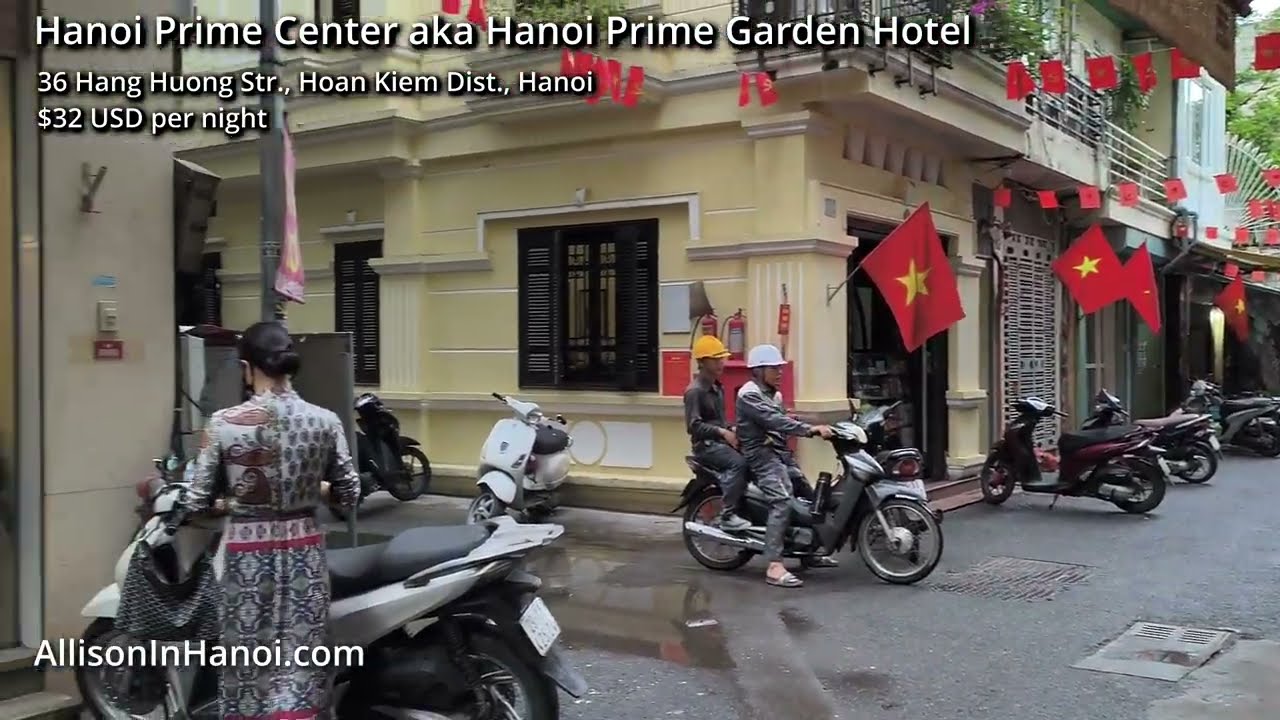
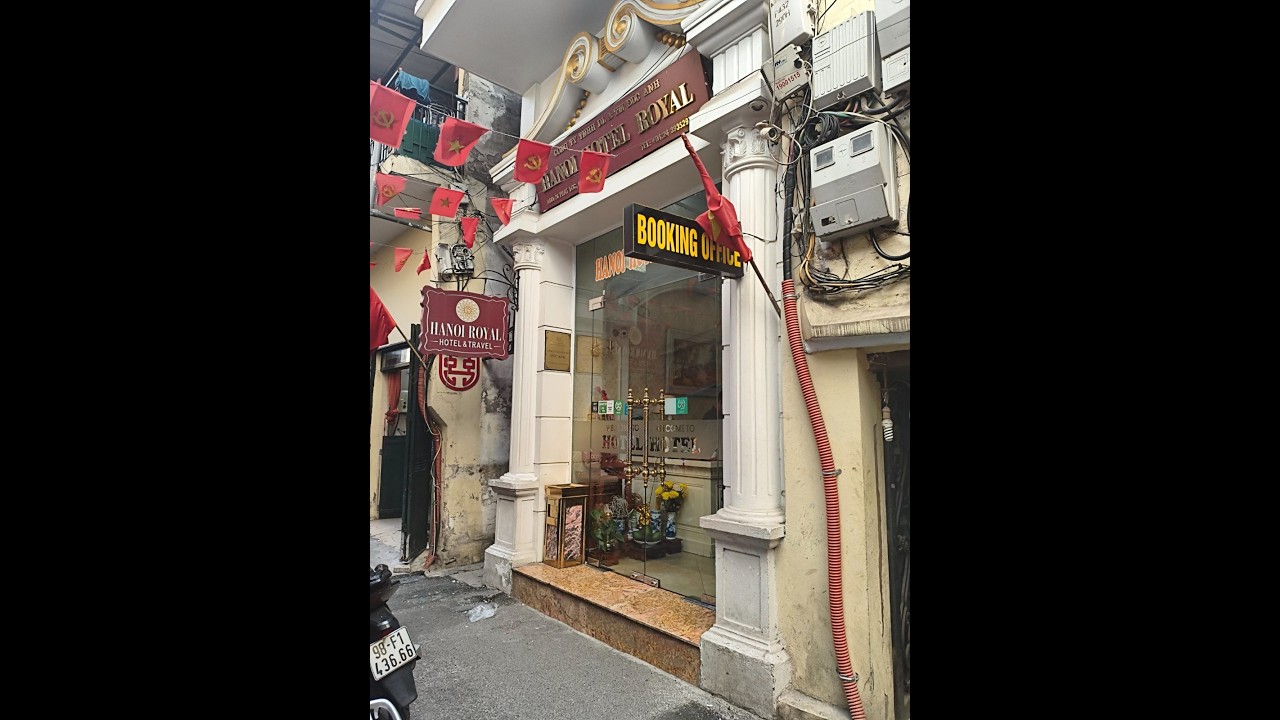
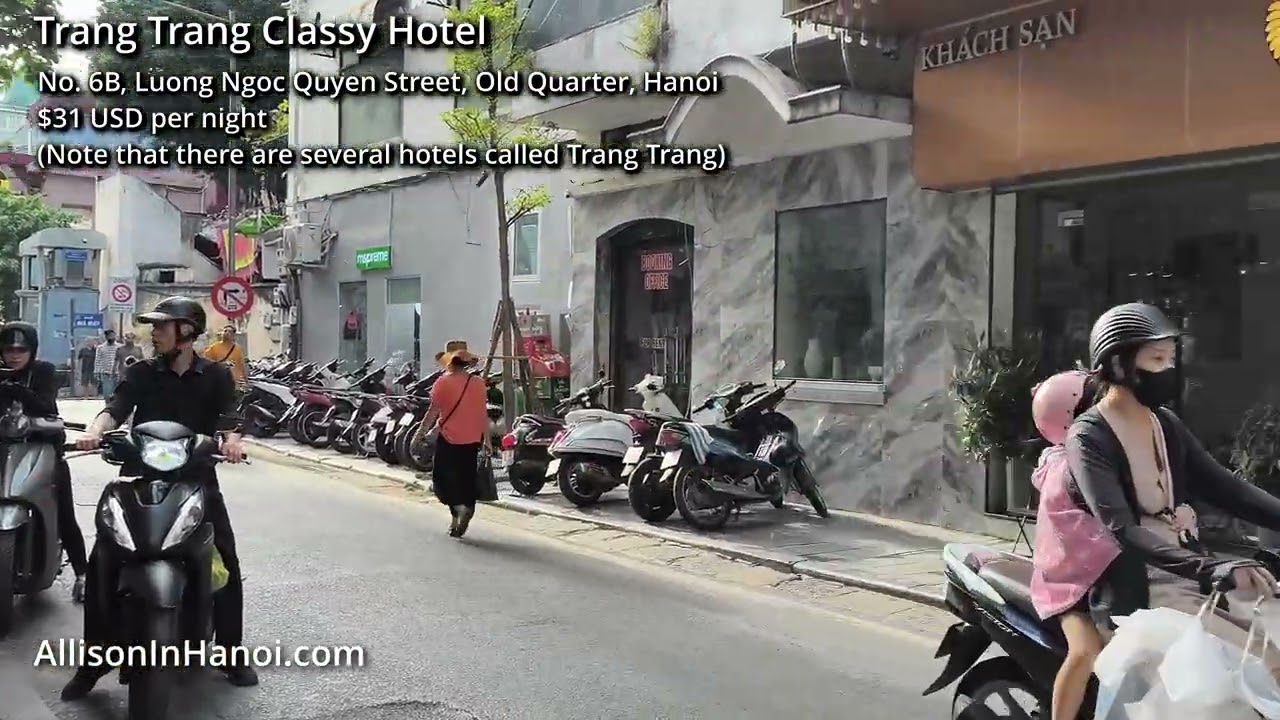
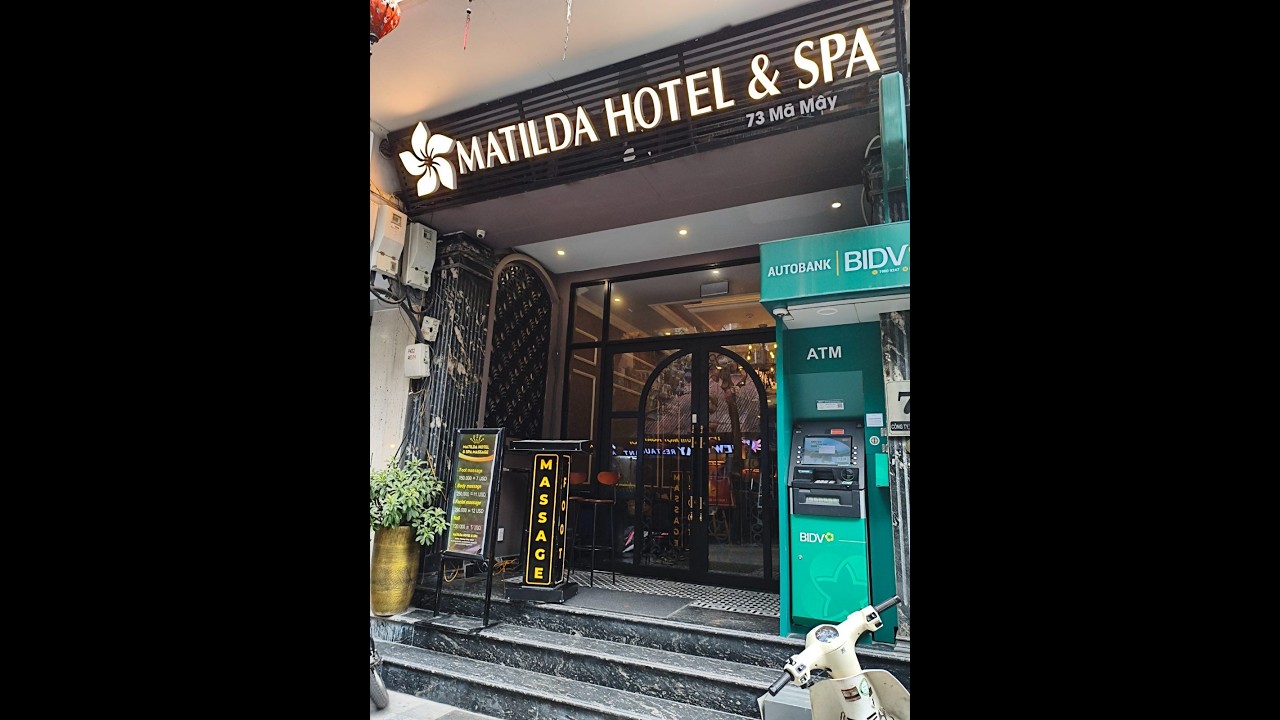
If you are coming to capital of Vietnam, we can help. We have a Frequently Asked Questions (FAQ) section for tourists and for expats. There's also a fair few walking and riding videos of Hanoi, so you can see what it really looks like at street level. And we show you the Secrets of Hanoi, where you can find both the tourist hot spots and the cool hidden gems. We are also working on a new project: Street & Lobby videos, which show you both the lobby of the hotel and the street in front of it. Makes it easier and less scary to stay at hotels off the beaten path.
On the map
Street & Lobby hotels
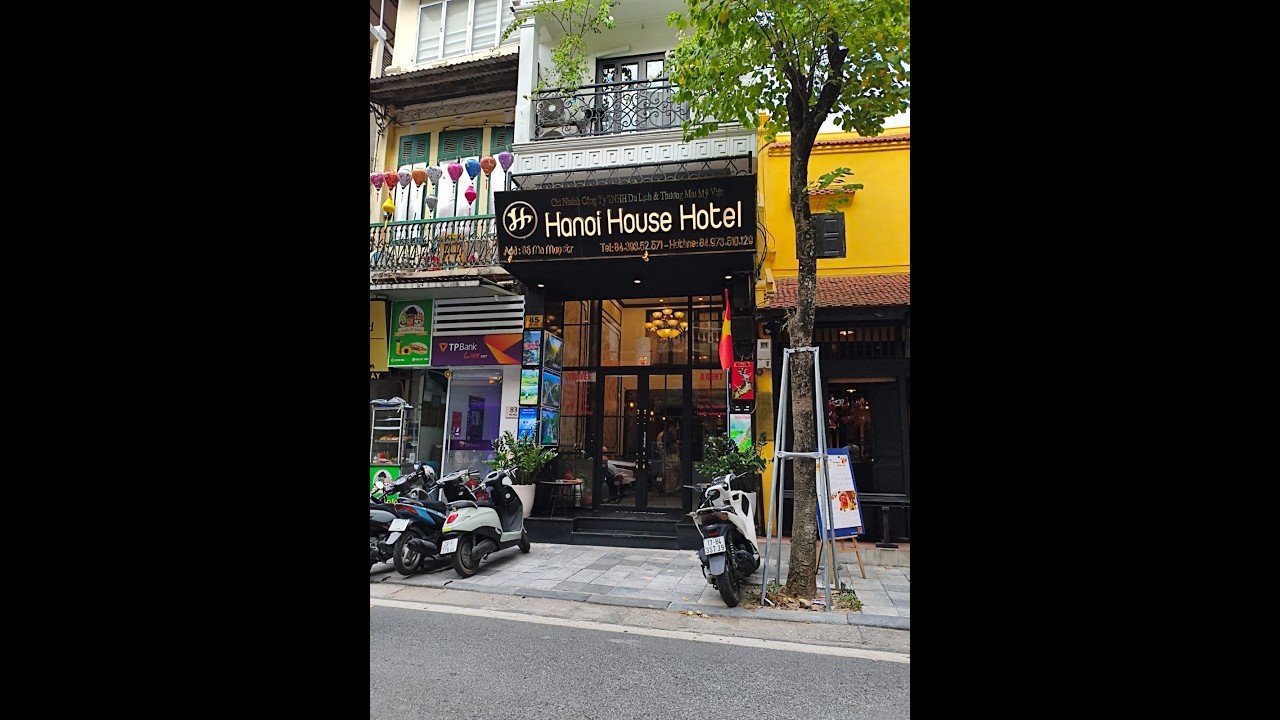
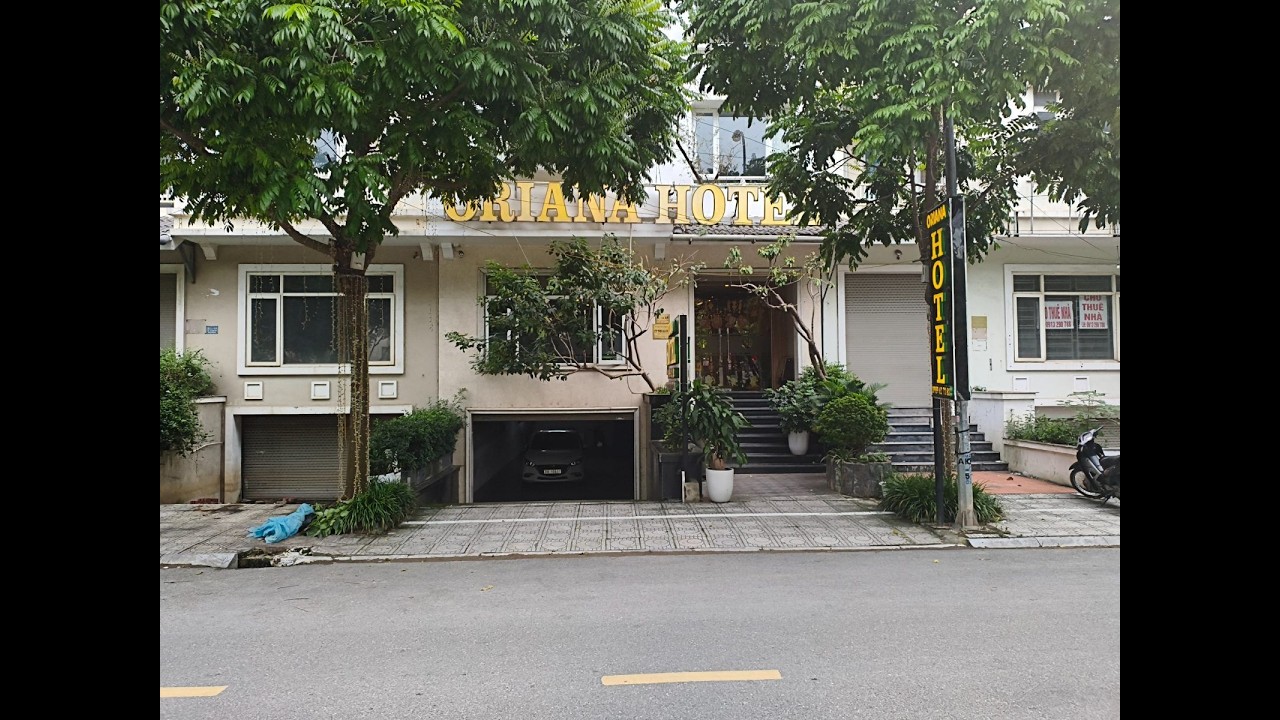
Oriana Hotel
A10 -L34 Geleximco, Le Trọng Tan, An Khanh, Ha Noi, My Dinh, Hanoi, Vietnam, 10000
Agoda snapshot: USD 27
6 hidden6 awesome
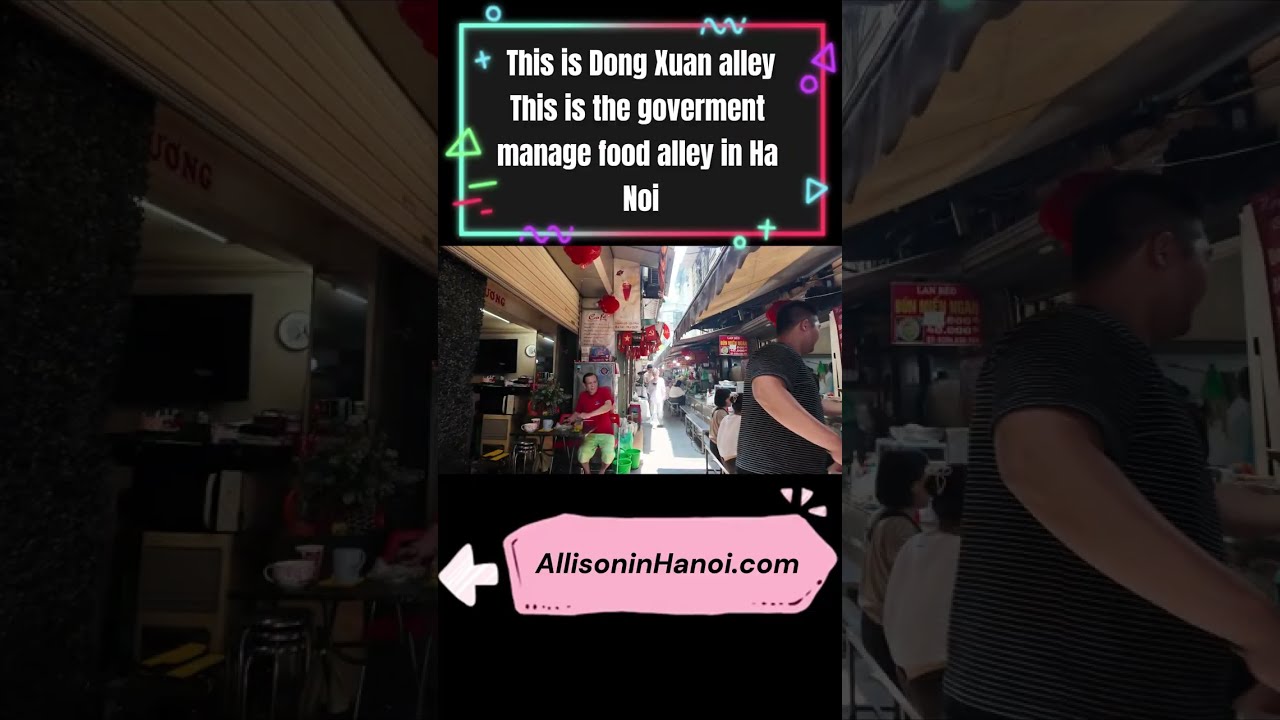
Dong Xuan Food Alley
Hoan Kiem District
Hidden little alley where you can try more authentic Vietnamese food like Bún Chả Kẹp Que Tre, which is grilled pork patties on skewers, or Bún Riêu…
1 hidden7 awesome
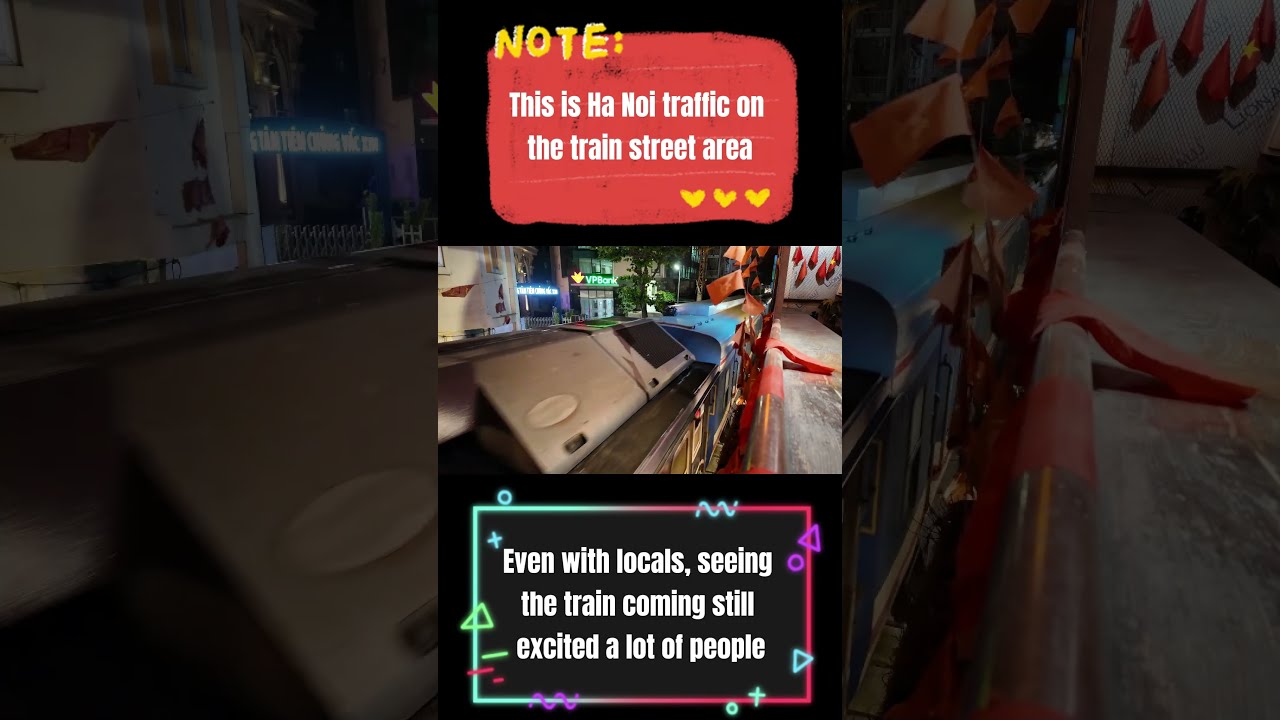
Train Street in Ha Noi
Old Quarter
Not much of a secret, but it is the thing to check out. Allison took this video after a rainstorm. This is your classic Ha Noi Instagram moment.…